Today's date is: September 19, 2026
Day of Rest
🧘🏻Explain the meaning of the Sabbath/Day 7 rest in the ancient Near Eastern context
In the modern world, "rest" means stopping work, taking a nap, or going on vacation. However, in the Ancient Near Eastern (ANE) context, divine rest had a radically different meaning.
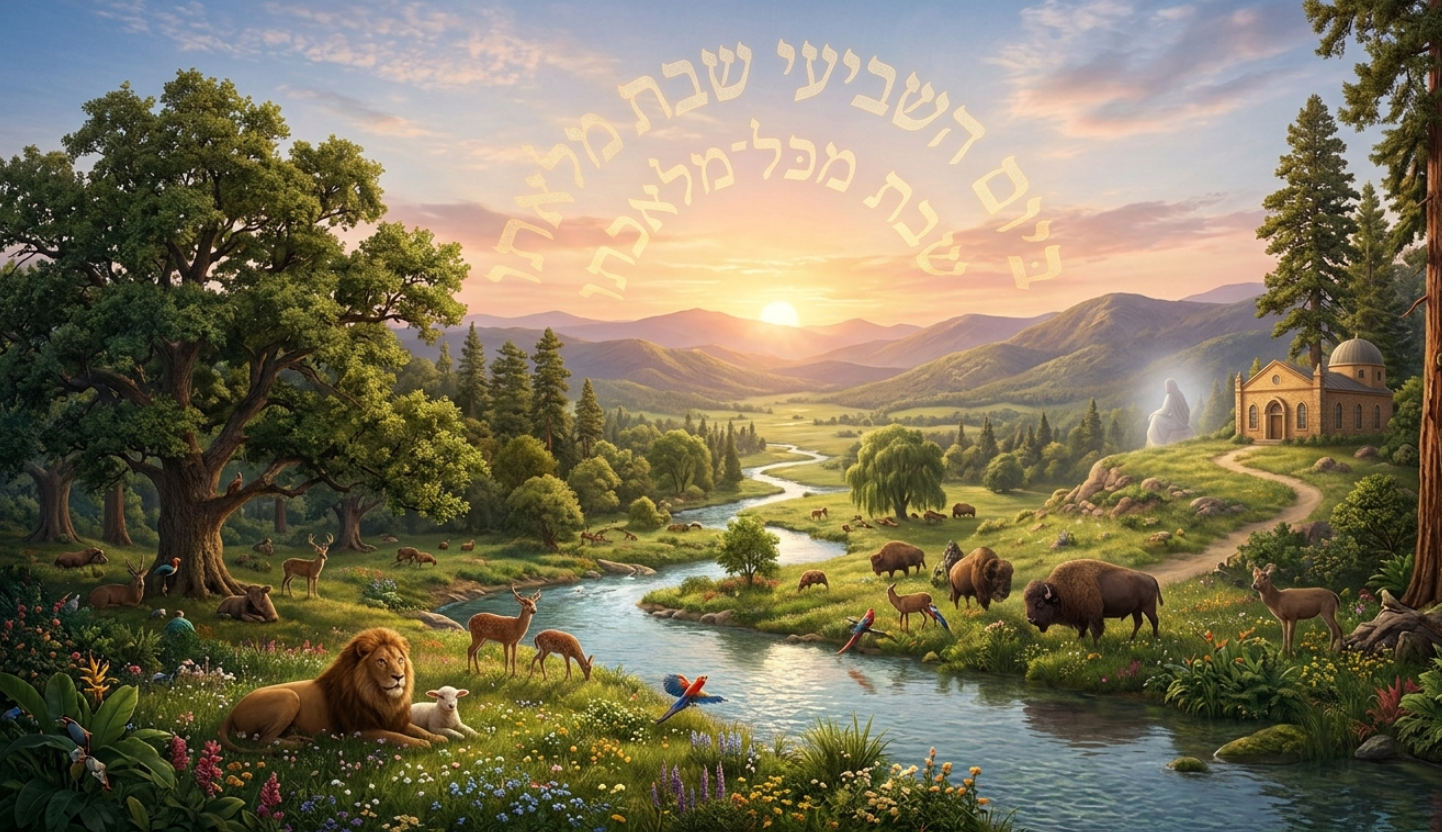
When Genesis 2:1–3 states that God finished His work and "rested" on the seventh day, it uses ancient imagery to deliver a powerful message about sovereignty, the purpose of the universe, and the dignity of humanity.
- 🏛️ The Temple Context: Rest Equals Ruler-ship
- The Ancient Motif: In ANE literature, a deity fights chaos, brings order, builds a temple/palace, and then enters that temple to "rest." This rest means the god is now sitting on the throne, running the universe smoothly, and enjoying the stability they created.
- The Cosmic Temple: Genesis 1 is structured like the construction of a grand, cosmic temple.
- Days 1–3 set up the architecture (time and space).
- Days 4–6 install the functional items and personnel (lights, animals, humans).
- Day 7 is the grand opening. God does not leave the universe on Day 7; He moves into it to take up residence as its supreme King.
- 🛌 2. Why God Rests vs. Why ANE Gods Rest
In the ancient world, gods did not rest because they were tired; gods rested because they had successfully taken the throne of their temple.
Therefore, God's rest on the Sabbath is a declaration of absolute dominion and stability. The cosmic temple is complete, and the King is on His throne.
While the setting (a temple) is similar, the motivation for rest creates a massive theological divide between Israel and its neighbors.
The ANE View: Rest from Exploitation
In myths like the Enuma Elish and the Atrahasis Epic, the gods are exhausted by the heavy labor of maintaining the earth (digging irrigation canals, farming). They go on strike. To solve this crisis, they create humans to be slaves. The text explicitly says humans are made to bear the yoke so that the gods can enjoy leisure and rest. Human labor buys divine luxury.
The Genesis View: Rest as a Shared Gift
In Genesis, Yahweh does not experience fatigue, nor does He create humans to do His chores. God completes the universe effortlessly. When He establishes the Sabbath, He does not exclude humans; He invites humanity into His rest.
Later in Israel's history, the Sabbath mandate becomes a legal requirement (Exodus 20:8-11). It forces an entire society—including servants, immigrants, and even farm animals—to pause. In a world where your value was tied strictly to your economic output, the Sabbath declared that humans are defined by their relationship with the King, not by their capacity for labor.
📊 Side-by-Side Comparison
| Feature | ANE Mythologies (Babylon/Egypt) | Genesis Chapter 1 & 2 |
|---|---|---|
| Meaning of "Rest" | Freedom from manual labor and tiresome chores. | Taking the throne to rule over a perfectly ordered cosmos. |
| Why Humans Exist | To work so the gods don't have to; humans are denied rest. | To share in God's rule and enjoy the abundance of His creation. |
| Sabbath Target | Reserved strictly for the ruling elite/divine pantheon. | An open invitation and a mandatory right for all layers of society. |
| Frequency of Order | Fragile; requires constant human rituals to maintain the gods' rest. | Permanent; secured by God’s ongoing sovereign presence. |
🎯 The Bottom Line: A Sacred Oasis in Time
By making the Seventh Day holy, the author of Genesis did something unprecedented. In other ancient cultures, sacred spaces were always geographic (a specific temple, a mountain, a statue). Genesis creates a sacred space in time.
It told the ancient Israelites—who had just escaped generations of relentless, unceasing slavery in Egypt—that the universe is not a cosmic sweatshop. It is a secure palace ruled by a good King who values their presence, commands their rest, and secures their peace.