Last edited on: August 30, 2026, 9:10 am
Isaiah Chapter 5 Review
Summary:
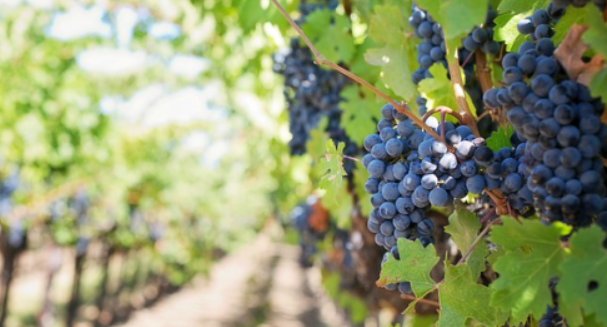
Isaiah Chapter 5 presents the Song of the Vineyard, a powerful prophetic message where God compares His people (Judah and Israel) to a tended vineyard that produced bitter, wild grapes instead of good fruit.
Because of this unfaithfulness, God announces upcoming judgment and the removal of His protection.
| Section | Verses | Core Theme | Meaning for Today |
|---|---|---|---|
| The Vineyard | 1-7 | God gave His people everything they needed to flourish, but they chose to produce bad fruit. | God expects His people to actively live out justice and produce good deeds, not just take His blessings for granted. |
| The Woes | 8-23 | Specific sins like greed, alcoholism, pride, and twisting the truth are called out. | Chasing money, endless entertainment, and resetting moral boundaries leads to spiritual ruin. |
| The Invasion | 24-30 | God removes His protection, allowing a foreign army to conquer the land. | Ignoring warnings eventually leads to a day of reckoning and judgment. |
Overview
Isaiah Chapter 5 is a powerful and sobering chapter in the Bible where God confronts His people for turning away from Him.
It moves from a poetic story about a failing farm to a direct list of sins, ending with a warning of a coming invasion.
The chapter is famous for its creative use of a parable—a simple story used to teach a lesson—and its stern warnings about right and wrong.
Here is a comprehensive breakdown of the three main sections of Isaiah Chapter 5.
- The Song of the Vineyard (Verses 1–7)
- The Perfect Setup:
- The Disappointment:
- The Judgment:
- The Meaning:
- The Six "Woes" (Verses 8–23)
- Greed:
- Hedonism and Drunkenness:
- Mocking God:
- Moral Confusion:
- Pride:
- Corrupt Justice:
- The Coming Invading Army (Verses 24–30)
- Unstoppable Fire:
- The Whistle:
- The Enemy's Strength:
The chapter opens like a popular folk song or ballad.
Isaiah sings about a friend (representing God) who did everything possible to build a perfect vineyard, which represents the nation of Israel and Judah.
The owner dug up the ground, cleared out all the stones, planted the absolute best vines, built a protective watchtower, and even carved out a winepress./
Instead of growing sweet, delicious grapes to make good wine, the vineyard produced only "wild grapes".
In the original language, this means bad-smelling, bitter, or even poisonous fruit.
God asks what more He could have done.
Since the vineyard failed, He decides to tear down its protective walls and hedges, allowing wild animals to trample it and thorns to take over.
Verse 7 explains the poem clearly.
God looked for justice and righteousness from His people, but instead, He found oppression, violence, and cries of distress.
After the poem, Isaiah lists specific reasons why the people are being judged.
He uses the word "Woe"—an expression of deep grief and warning—to condemn six specific sins:
Wealthy people were buying up all the land and houses, crowding out the poor so they could own everything themselves.
People were waking up early just to drink alcohol and parting late into the night with music, completely ignoring God and His work.
Sinners were dragging their guilt behind them like a cart, daredevil-style, and mocking God by saying, "Let Him hurry up and show us His plans so we can see them!"
This is one of the most famous verses in the chapter.
Isaiah pronounces woe on those who call evil good and good evil, swapping light for darkness and sweet for bitter.
He warns those who are "wise in their own eyes," thinking they are smarter than God.
He targets judges and leaders who are heroes at drinking contests but take bribes, letting the guilty go free while hurting innocent people.
Because the people rejected God’s word, the chapter closes with a dark picture of impending judgment.
Their roots will rot, and their achievements will blow away like dust.
God will "whistle" for an enemy nation from far away, and they will come running swiftly.
Isaiah describes this foreign army as fierce, perfectly prepared, and roaring like lions.
They will carry Judah away into captivity, leaving the land covered in darkness and distress.
Applying Isaiah Chapter 5 to My Life
To apply Isaiah Chapter 5 to your life today, you must evaluate how you use the blessings God has given you and ensure you are living with justice, honesty, and moral clarity.
This chapter is a powerful warning about wasting your potential and ignoring God's guidance.
Here is how you can take its ancient lessons and use them in your everyday life.
💯Check the "Fruit" of Your Life
In the first part of the chapter, God tells a story called the Parable of the Vineyard.
A farmer does everything perfectly to help his grapes grow, but the vine only produces sour, wild grapes.
God explains that the vineyard is His people.
He gave them a safe home and heavy blessings, but they gave Him bad results like violence instead of fairness.
- Take a personal inventory:
- Avoid wasting your potential:
- Show love and fairness:
Look at your time, talents, and resources.
Ask yourself if you are using your gifts to help others or just yourself.
God expects "good fruit" like kindness, truth, and helping people who are hurting.
🛑 Avoid the Five Modern Mistakes (The "Woes").
Isaiah lists several bad habits—called "woes"—that destroy communities and relationships.
You can apply these by actively avoiding them today:
- Guard against greed:
- Balance entertainment:
- Keep your moral compass straight:
- Stay humble:
- Practice fair judgment:
The text warns against hogging all the land and houses.
In modern life, do not let chasing money or electronics become more important than people.
Isaiah cautions against endless partying and drinking that makes people forget God.
Keep a healthy balance between having fun and focusing on what matters.
Verse 20 warns against calling evil good and good evil.
Stand up for what is truly right, even if popular culture tells you to switch the rules.
Avoid thinking you are smarter than everyone else or that you do not need God's advice.
Do not cheat others or compromise your honesty for personal gain.
🛠️ Daily Action Steps
If you want a quick checklist try these steps:
- Morning Check:
- Words Matter:
- Media Diet:
Pray and ask for help to make good choices today.
Speak kindly and build people up instead of causing pain.
Pay attention to the shows, games, and music you consume so they do not blur your sense of right and wrong.