Last edited on: August 30, 2026, 9:10 am
Isaiah Chapter 15 Review
Summary:
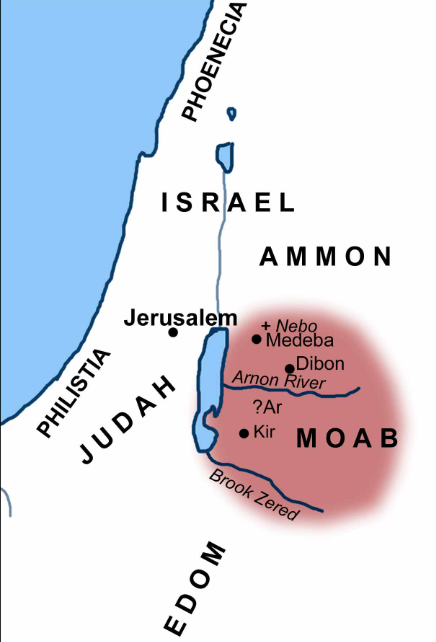
Isaiah chapter 15 is a prophetic oracle announcing the sudden, devastating destruction of Moab—a neighboring nation located east of the Dead Sea.
The text portrays widespread panic, public mourning, and refugees fleeing across a ruined landscape as divine judgment falls on the land.
Overview
Isaiah Chapter 15 is a prophetic oracle detailing the sudden, devastating judgment and destruction of Moab, a neighboring nation and distant relative of Israel.
Consisting of just nine verses, the chapter describes a swift enemy invasion that plunges the entire region into absolute despair, weeping, and grief.
Key Themes and Breakdown
- Sudden Nighttime Ruin (Verse 1):
The prophecy opens with the immediate collapse of Moab's major fortified cities, Ar and Kir, which are leveled "in a night".
This emphasizes the speed and unexpected nature of the incoming military strike.
- National Mourning and Pagan Shrines (Verses 2–4):
Citizens and soldiers alike are gripped by terror.
Moabites flee to their high places and pagan temples (like Dibon) to weep.
To signal their profound grief, they shave their heads, cut off their beards, wear sackcloth, and wail openly in public squares.
- The Path of the Refugees (Verses 5–7):
Refugees stream out of the country toward cities like Zoar, carrying whatever wealth and possessions they can carry on their backs across the border.
The crisis is compounded by environmental desolation; the vital waters of Nimrim dry up, leaving the once-rich pastures brown and withered.
- Inescapable Judgment (Verses 8–9):
The rivers and streams run red with the blood of the slain.
The chapter ends with a chilling warning from God: even those who manage to escape the initial military slaughter will face wild lions sent to hunt down the survivors.
Historical & Theological Context
- The Identity of Moab:
The Moabites descended from Abraham’s nephew, Lot.
Despite this shared lineage, Moab was frequently hostile toward Israel.
Scholars generally attribute the fulfillment of this prophecy to the rapid westward expansions of the Assyrian Empire.
- The Compassion of the Prophet:
Distinct from other doom prophecies targeting enemy nations, Isaiah explicitly states, "My heart cries out over Moab" (Verse 5).
Both the prophet and God are portrayed not as indifferent, but as deeply sorrowful over the agony of a proud people facing the natural consequences of their unrepentant sins.
Applying Isaiah Chapter 15 to My Life Today
Isaiah Chapter 15 is a prophetic oracle detailing the sudden destruction, panic, and deep mourning of Moab.
To apply it today, recognize the fragility of worldly security, avoid the trap of human pride, and mirror God’s empathetic heart by grieving for those who face crisis or loss, rather than rejoicing in their downfall.
Key Applications
- Beware of False Security:
Moab trusted in its walled cities and lush resources, which vanished overnight.
Do not place ultimate trust in wealth, status, or stability.
- Humble Your Heart:
Arrogance often precedes a fall.
Let the fate of Moab remind you to walk in daily humility before God and others.
- Practice Empathy and Lament:
Notice that the prophet Isaiah's heart cried out for Moab despite their hostility.
Cultivate compassion to weep with those who weep, even when people face hardships due to poor choices.
- Turn to God Early:
Use life's warnings as an invitation to check your own heart, turning away from self-reliance and toward spiritual truth and righteousness.