Last edited on: August 30, 2026, 9:10 am
Isaiah Chapter 11 Review
Summary:
Isaiah Chapter 11 is a famous messianic prophecy about a future ideal king from the line of David.
This ruler will come from the "stump of Jesse", have God's Spirit, judge with perfect fairness, bring radical peace to creation, and gather the scattered people of God.
How the New Testament connects this chapter to Jesus
The New Testament directly connects Isaiah 11 to Jesus to prove He is the promised Messiah who fulfills God's plan.
The Davidic Lineage
- The Root of Jesse:
Romans 15:12 quotes Isaiah 11:10 directly to show Jesus rules over all nations.
- The Ancestry:
Matthew 1 and Luke 3 trace Jesus's physical family line directly back to King David and his father, Jesse.
- The Title:
Revelation 5:5 calls Jesus the "Root of David" who has triumphed over sin and death.
The Holy Spirit and Wisdom
- Jesus's Baptism:
Matthew 3:16 shows the Spirit of God descending like a dove onto Jesus, fulfilling Isaiah 11:2.
- The Sevenfold Spirit:
Revelation 1:4 and 5:6 mention the "seven spirits of God," reflecting the perfect, multi-faceted Spirit described in Isaiah.
- Supernatural Wisdom:
Luke 2:52 notes Jesus grew in wisdom and favor, which amazed the religious teachers of His time.
Justice and Judgment
- Fair Verdicts:
John 7:24 records Jesus commanding people to judge with right judgment, not by appearances, just like the Isaiah prophecy.
- The Weapon of His Word:
Revelation 19:15 describes a sharp sword coming from Jesus's mouth to strike down nations, matching Isaiah's description of judging with the "rod of his mouth."
Inclusive Kingdom
- Gentile Inclusion:
Paul uses Isaiah 11 in Romans 15 to prove that Jesus came to save non-Jewish people (Gentiles) alongside Israel.
- Universal Peace:
Ephesians 2:14 explains that Jesus broke down the walls of hostility to bring ultimate peace to divided humanity.
Overview
Isaiah 11 is a famous prophetic passage in the Bible that looks forward to an ideal future king from the royal line of David who will bring perfect justice, peace, and restoration to the world.
The Shoot From Jesse (Verses 1–5)
- The Stump of Jesse:
Jesse was the father of King David. A "stump" shows that the royal family line was cut down or reduced to a weak state.
- The Branch:
A new shoot grows from that old stump. This represents the Messiah (Jesus Christ), who comes from a humble earthly background rather than immediate worldly power.
- The Spirit of God:
The new leader is filled with God’s Spirit, bringing wisdom, strength, and a deep respect for God.
- Fair Judgment:
He rules with fairness, helping the poor and helpless instead of favoring the rich or powerful.
Peaceful Kingdom (Verses 6–9)
- Nature Changed:
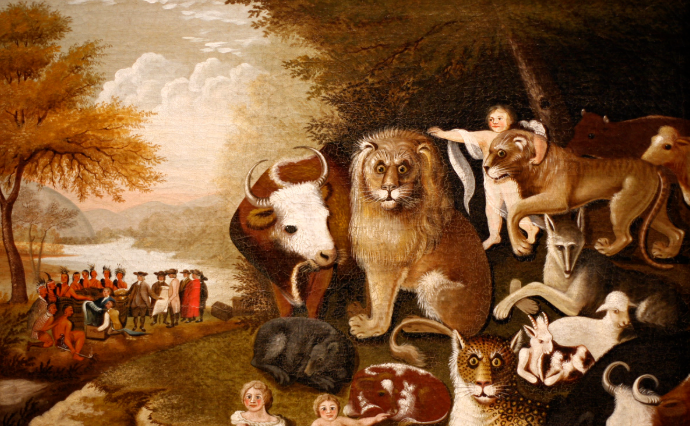
Wild animals and farm animals live together safely. For example, the wolf lives with the lamb, and a little child can lead them safely.
- No More Harm:
Violence stops completely on God's holy mountain.
- Knowledge of God:
The earth becomes full of the knowledge of God just as water fills the sea.
Gathering the Rest (Verses 10–16)
- A Signal to the Nations:
The new root of Jesse becomes a flag or signal for all people and nations to gather around.
- Return of Israel:
God gathers His scattered and divided people back together, healing old arguments and jealousies.
Applying Isaiah Chapter 11 to My Life
Applying Isaiah Chapter 9 to your life requires embracing its contrast between human darkness and divine light.
While verses 1–7 are famously celebrated as a Christmas prophecy of a coming Savior, verses 8–21 serve as a sobering warning against pride and a refusal to repent.
To apply this entire chapter today, you can break it down into four highly practical action steps:
- Exchange Your Anxiety for the Four Pillars of Peace
- Wonderful Counselor:
Stop relying solely on human opinions or your own overthinking.
Go to God first in prayer for wisdom when making big life choices.
- Mighty God:
Let go of the need to control every circumstance.
Rely on His strength to carry you through situations that are completely out of your hands.
- Everlasting Father:
Rest in the assurance that you are deeply loved, protected, and never abandoned.
- Prince of Peace:
Actively practice emotional and mental surrender.
True peace is not the absence of trouble, but the presence of Christ in the middle of it.
- Trust God's Process When You Walk Through "Darkness"
- Acknowledge the season:
If you are in a period of grief, financial distress, or spiritual dryness, don't pretend it isn't there.
- Look for the dawn:
Trust that God is already on the move to break the "yoke of your burden" (verse 4).
He frequently uses our hardest seasons as fuel to showcase His ultimate restoration and glory.
- Guard Against the "Bricks Have Fallen" Attitude
- Audit your response to failure:
When a plan fails, a relationship breaks, or a crisis hits, avoid the urge to proudly say, "I can fix this all on my own."
- Seek divine alignment:
Use life's disruptions as a prompt to evaluate your direction and submit your goals to God first, rather than charging ahead in self-reliance.
- Break the Cycle of Internal Conflict
- Stop the blame game:
Refuse to let bitterness or political and social division dictate how you treat the people around you.
- Be a peacemaker:
Actively sow unity in your household, workplace, and community rather than contributing to gossip, division, or social hostility.
When life feels chaotic or dark, look to the four distinct attributes of Jesus promised in Isaiah 9:6:
In verse 2, Isaiah describes people walking in deep darkness who suddenly see a great light.
In verse 10, the people arrogantly claim, "The bricks have fallen down, but we will rebuild with dressed stone."
Instead of humbling themselves after a crisis, they relied entirely on their own self-sufficiency.
The end of the chapter describes a society eating itself alive out of greed and unresolved anger (verses 19–21), with neighbors and brothers turning against one another.